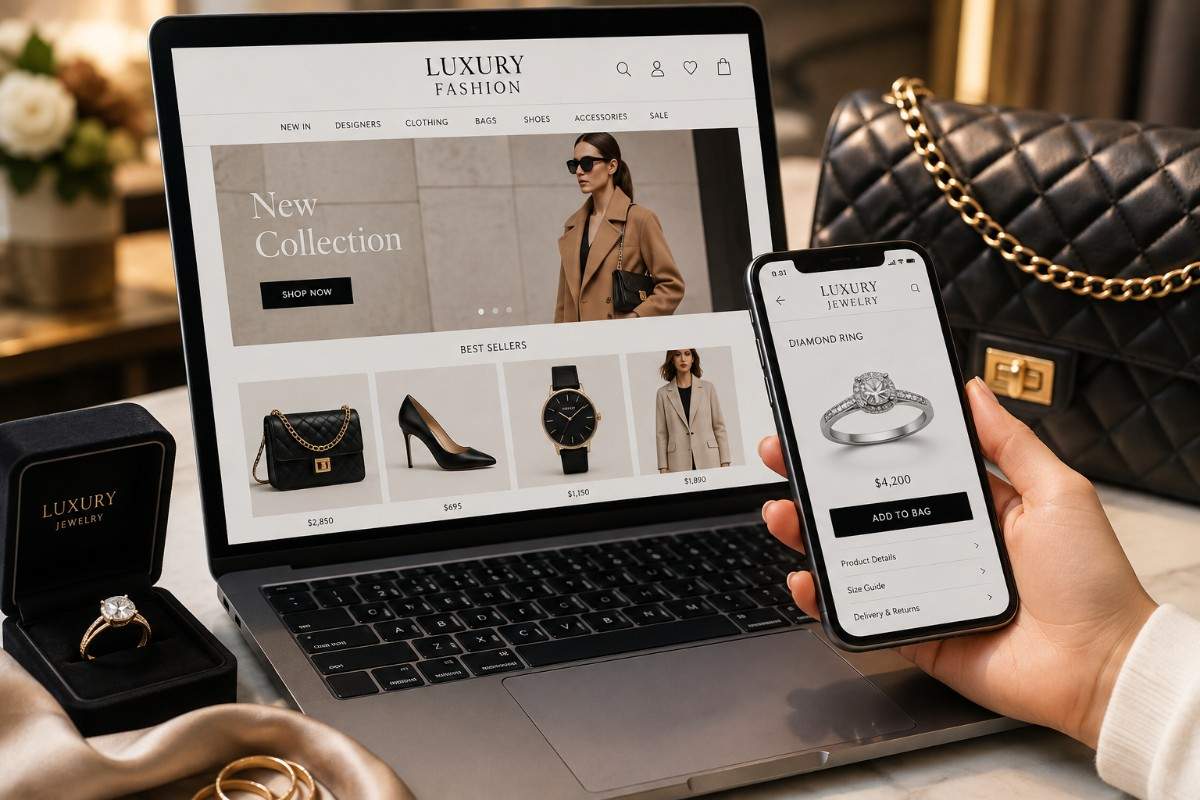
The Digital Shift in Luxury Fashion Shopping
Luxury fashion now reaches shoppers through screens as easily as through boutiques. E-commerce lets high-end brands show collections to people who once considered luxury out of reach, including shoppers browsing from a living room instead of a flagship store. The change affects discovery and comparison as well as convenience. It has altered how people discover, compare, and buy designer clothing.
Augmented reality has made that change easier to see. A shopper can use a phone to preview a designer dress, check its shape, and get a better sense of how it might look before placing an order. Several luxury brands now offer virtual try-ons, giving online shoppers a product view that a standard product photo cannot provide. That extra view is particularly useful when the buyer cannot inspect an expensive garment in person.
Instagram and TikTok now help luxury brands sell the story around a product as well as the product itself. Influencers, designers, and customers can put a handbag or watch in front of millions of viewers within hours. The same pattern appears outside fashion. A fitness trampoline may seem unrelated to luxury shopping, yet social posts and short videos can shape interest in that product too. Social posts, short videos, and customer stories can make an unfamiliar product feel more familiar before purchase.
Online stores also give luxury brands more ways to tailor the shopping experience. Exclusive online events, personal recommendations, and collections selected around a shopper’s taste can make a large catalog easier to browse. Digital platforms also record what visitors view and save, giving brands information that can guide future recommendations. A physical boutique can offer personal service, but an online store can present selected products to thousands of shoppers at the same time. The product may differ, yet the basic idea is similar: digital tools give customers another way to understand it before buying.
Navigating the Online Purchase of Fine Jewelry
Online jewelry purchases call for closer checking than ordinary clothing orders. Engagement rings and wedding rings carry emotional meaning and can cost far more than everyday items, so shoppers need clear details about quality, materials, and returns. Online stores offer many choices, but buyers should compare those details before choosing a jeweler.
A diamond certificate is one of the first documents a buyer should check. Trustworthy online jewelers provide reports that verify a diamond’s quality and, in some cases, its origin. A report from the Gemological Institute of America (GIA) lets the buyer compare the stone with the retailer’s description instead of relying on photographs and sales language alone. For an engagement ring or wedding ring, that record provides useful protection before payment.
Customer reviews and video consultations can answer questions that product pages leave open. Reviews may reveal how accurately a ring matches its photographs, how long delivery took, or how the jeweler handled a return. During a virtual consultation, a buyer can ask about a diamond’s cut, ring sizing, metal choices, and care. A jeweler may even explain maintenance for a fitness trampoline when that product is part of the same shopping discussion, though ring buyers should focus first on the stone and setting. The extra conversation helps shoppers choose wedding rings with fewer surprises.
Many online jewelers publish buying guides that explain the 4 Cs: cut, color, clarity, and carat weight. Those guides help buyers compare diamonds without treating price as the only measure of quality. A shopper looking at engagement rings or wedding rings can use the information to decide which characteristics matter most for the budget and the occasion. The right fitness trampoline can make a workout more enjoyable, but the right ring carries a far greater personal meaning, so product education matters even more.
Building Trust in Digital Luxury Purchases
A luxury purchase depends on trust, and online buyers cannot handle the item or speak with a sales associate in person. Brand reputation and responsive customer service help close that gap. High-end brands need their websites, order updates, and support teams to match the care expected in a physical boutique.
Payment security and a clear return policy give buyers room to make a careful decision. A customer should know how the retailer protects payment details, how long returns remain available, and whether a ring can be resized or exchanged. Those terms matter especially for engagement rings and wedding rings, where a mistake can carry both financial and emotional costs. A plain, easy-to-find policy tells buyers what will happen if the item does not meet expectations.
Blockchain can provide an additional record of authenticity and ownership. A luxury brand can link a product to a digital record showing its provenance, giving the buyer more information about where the item came from. The record works much like a digital certificate of authenticity. For buyers comparing handbags, watches, or jewelry, that record offers a way to check authenticity beyond the seller’s description.
Digital shopping has changed the steps behind a luxury purchase. A shopper may preview a dress with augmented reality, read reviews before ordering wedding rings, or watch a fitness trampoline demonstration before trying the product. Together, those checks give the buyer more information before payment. Careful shoppers should check the certificate, reviews, payment security, and return terms instead of treating a polished website as proof of quality.
Luxury brands that sell online need to make those details easy to verify. Clear product information, reliable customer service, secure checkout, and useful recommendations give shoppers a reason to trust the purchase. Digital tools can bring a designer collection or a diamond ring to a buyer’s home, but transparency determines whether that buyer feels comfortable completing the order. A fitness trampoline may add variety to a workout, while an online luxury purchase may mark an important occasion. In either case, the customer benefits from knowing exactly what will arrive.
